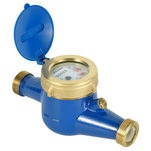
The measurement accuracy of smart water meters is very important, both from the perspective of long-term protection of water resources and from the perspective of user interests. Accurate measurement can control water consumption, thereby better protecting water resources and benefiting human development; accurate measurement can guarantee the interests of users and allow people to pay water bills with confidence. What factors mainly affect the measurement accuracy of smart water meters? What should water meter users do?
The selection of the caliber of smart water meters is a prerequisite. The caliber of the water meter should be selected according to the water consumption of the water user, and the water consumption should be close to the common flow of the selected caliber. Avoid being too large or too small. If it is too large, it is easy to cause the phenomenon of unmetered water consumption under small flow. If it is too large, it will cause the water meter to run overloaded, and the gears will be easily worn, affecting the measurement accuracy. Therefore, before purchasing a water meter, users should understand the caliber of the water meter used, or the caliber of the pipe.
The installation of smart water meters should not be underestimated. The installation of water meters should be strictly in accordance with national standards. The installation site should be strictly prohibited from being close to septic tanks, sewers and other places that are prone to sewage pollution, as well as places with large vibrations such as roads. The water meter well should be drained smoothly and not easy to get wet. The installation technology includes that the water meter cannot be tilted, there should be enough straight pipe sections at both ends of the water meter, the interval between the meters should not be too short, and the debris should be removed before the water meter is installed. It is recommended to install the meter in the community or in places where the water meters are concentrated. It is best to install a water meter box for the water meter, which can not only protect the water meter from wind and rain, but also has relatively stable performance in terms of measurement, and has a certain anti-theft effect.
Regular replacement of smart water meters is the key. After a period of use, due to the influence of uncertain factors such as environment, pollution, water quality, water consumption, and pressure fluctuations, the water meter movement will be worn and the gap will increase, resulting in a decrease in measurement accuracy and even an increase in error. Periodic meter replacement is an important means to solve this problem. The service life of household water meters is 6 years, and the service life of industrial water meters is 4 years.
Regular inspection of smart water meters is the key. The sensitivity of the water meter directly affects the metering accuracy of the water meter. The long-term wear of the water meter movement greatly reduces its sensitivity. Therefore, it is recommended that the maintenance of the periodic meter movement should be mainly replaced. The sensitivity of the water meter movement is an important indicator for verifying the metering accuracy of the water meter. Only when the sensitivity meets the requirements can it be allowed to continue to be used.
The state stipulates that small-caliber smart water meters should be inspected every two years and replaced every 4-6 years. There is a certain basis for use. Many users have a certain resistance to regular inspection and replacement of water meters, believing that the management department is gaining benefits. In fact, the various measures taken are mainly from the perspective of water meter users. Regular inspection and replacement of smart water meters not only ensures its good metering accuracy, but also provides protection for users' drinking water safety.