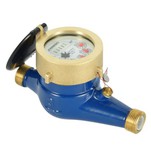
As an advanced water metering device, smart water meters are widely used in various scenarios to provide users with convenient water management services. The following are some of the main application scenarios of smart water meters:
1. Household water use: Smart water meters can be installed on household tap water pipes to record household water consumption in real time, help household users understand water use, arrange water use plans reasonably, and save water resources.
2. Commercial buildings: Smart water meters can be used in commercial buildings such as hotels, office buildings, and shopping malls to monitor water use in real time, facilitate managers to manage and control water use, and reduce water use costs.
3. Public facilities: Smart water meters can be used in public facilities such as parks, schools, and hospitals to record water use in real time, facilitate managers to understand water use conditions, and ensure water safety.
4. Agricultural irrigation: Smart water meters can be used in farmland irrigation systems to monitor water use in real time, help farmers arrange irrigation time reasonably, save water resources, and improve irrigation efficiency.
5. Urban water supply management: Smart water meters can be used in urban water supply systems to monitor water use in various areas in real time, help water departments to manage and dispatch water use, and ensure urban water supply safety.
6. Environmental monitoring: Smart water meters can be used in water quality monitoring systems to record water consumption and water quality in real time, helping environmental protection departments understand water resource conditions and ensure water resource safety.
Through the above application scenarios, smart water meters can realize intelligent, automated and networked water metering, improve water management efficiency, save water resources, reduce water costs, and protect the water resource environment.