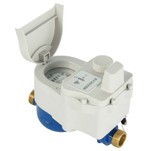
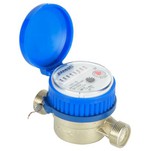
Water meters have become indispensable measuring instruments in daily life. Among the wide variety of brands and types available, photoelectric direct-reading remote-transmission water meters are particularly popular. However, users often focus on their pricing, which fluctuates-sometimes high, sometimes low. What factors drive these price variations? Let us explore them below.
First, the price of this type of water meter can be influenced by the materials used. They are typically manufactured using high-quality materials to ensure reliability and durability. These premium materials increase production costs, thereby raising the price of the meter.
However, for users, choosing a meter made from high-quality materials offers greater stability and a longer service life, making it more cost-effective in the long run.
Second, the level of manufacturing technology also affects the price. Advanced manufacturing technology enhances production efficiency, which reduces costs and lowers the price of the meter.
Conversely, outdated manufacturing technology requires more labor and equipment, driving up production costs and, consequently, the price of the meter. Therefore, choosing meters from manufacturers with mature technology helps users save money.
Next, the features of the water meter are another significant factor influencing price. High-end features-such as remote meter reading and real-time data monitoring-enable users to manage water resources more conveniently and detect leaks early.
These features require more complex technology and equipment support, which translates to higher production costs and a higher price for the photoelectric direct-reading remote-transmission water meter.
Furthermore, market competition plays a crucial role. If market supply exceeds demand, manufacturers may adjust prices to attract more customers. Conversely, if demand exceeds supply, manufacturers might raise prices to increase profits.
Finally, after-sales service is another factor affecting the price. Some manufacturers provide comprehensive services-including installation, maintenance, and technical support-which are reflected in the cost of the water meter. Therefore, when purchasing, users should also consider whether they require corresponding after-sales service.
The price of photoelectric direct-reading remote-transmission water meters is influenced by a variety of factors; overall, however, the price is closely linked to quality, manufacturing technology, functionality, market competition, and after-sales service. Consequently, users looking to purchase these meters should monitor market price trends and make their purchases when prices are favorable. For large-volume orders, purchasing directly from the manufacturer can secure greater discounts.