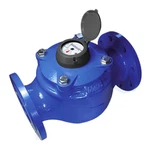
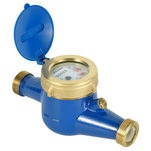
Smart water meters enable remote monitoring, data transmission and intelligent management. However, while providing convenience, it also has some potential problems.
The advantages of smart water meters are reflected in the following aspects:
1. Real-time monitoring: Smart water meters can monitor water consumption and water use time in real time, allowing users to clearly understand their own water use status, so as to manage and control water use more effectively.
2. Water-saving function: Through smart water meters, users can more clearly understand their water use habits, improve water-saving awareness, and reduce unnecessary waste.
3. Remote management: Smart water meters support network remote management. Users can check water use at any time through mobile phones, computers and other devices, which greatly improves the convenience and efficiency of management.
4. Automated meter reading: Compared with traditional manual meter reading, Smart water meters realize automatic data collection, reduce labor costs and reduce error rates.
Although smart water meters bring many benefits, they also have the following shortcomings:
1. Privacy risk: The data transmission of smart water meters needs to rely on the network, which may lead to the risk of privacy leakage. If the data is stolen by hackers or criminals, it will threaten the privacy security of users.
2. Security risks: Smart water meters are connected to other devices and may be attacked by hackers, resulting in data tampering or device control, causing economic losses to users.
3. Technical challenges: Smart water meters have high requirements for technology and network. Technical defects may cause data transmission interruption or errors, affecting water management and charging accuracy.
4. Cost issues: Compared with traditional water meters, smart water meters are more expensive, including equipment purchase, installation, maintenance and other costs, which may be unaffordable for ordinary families.
In summary, while smart water meters provide convenient water management and control, they also face problems such as privacy leakage, security risks, technical challenges and high costs. Therefore, when promoting and applying smart water meters, a comprehensive analysis should be conducted and effective security protection measures should be taken to ensure user rights and data security.