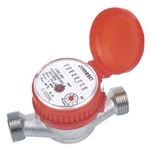
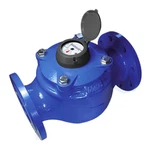
A mechanical water meter is composed of a series of components, mainly including a cover, cover, technical structure, Yellen measuring structure, bowl shaped filter screen, and watch case. These parts work together to generate power through the flow of water, driving the impeller to rotate. The speed of the impeller is directly proportional to the measured liquid flow rate, and the speed of the impeller is transmitted to the accumulation mechanism through gears on the shaft, thereby displaying the water consumption.
Installation of mechanical water meters
The installation of mechanical water meters should pay attention to the following points:
Choose the correct water meter diameter: Before installing a mechanical water meter, first choose the correct water meter diameter.
Horizontal installation: The water meter should be installed horizontally, with the surface facing upwards, and the direction of the arrow on the case should be the same as the direction of the water flow. The new pipeline needs to be cleaned of debris inside the pipeline before installing a water meter to avoid water meter failure.
Valves should be installed upstream and downstream of the water meter: ensure that they are fully open during use; Necessary straight pipes or other equivalent rectifiers should be installed upstream and downstream of the water meter.
The outlet of the downstream pipeline of the water meter is more than 0.5 meters higher than the water meter: due to insufficient water flow in the pipeline, the measurement of the waterproof meter is inaccurate.
Installation environment: Water meters should not be used in corrosive liquids, and cold water meters should not be filled with hot water. The water meter should be installed in a place that is easy to disassemble and observe, avoiding direct sunlight. Insulation measures should be taken in cold winter.